
As India steps deeper into global trade, technology partnerships, and manufacturing expansion, one question keeps surfacing: Will Mandarin still be relevant in the future? The short answer is — yes, and perhaps more than ever.
Despite geopolitical fluctuations, trade between India and China remains significant. China continues to be a major player in global manufacturing, electronics, EV components, pharmaceuticals, machinery, and supply chains — sectors that directly impact Indian businesses. Over the next 10 years, professionals who understand Mandarin will have a competitive advantage in cross-border trade, sourcing, procurement, and strategic partnerships.
At Inchin Closer, with over 16 years of experience teaching Mandarin in India, we’ve seen professionals move from curiosity to career transformation. Mandarin is no longer just a cultural skill — it’s a strategic career asset.
The global economy is shifting toward Asia. Alongside China, markets such as Singapore and Taiwan play crucial roles in finance, semiconductors, and advanced manufacturing. Mandarin is not just a language of one country — it is a gateway to the broader Asian economic ecosystem.
From a career perspective in India, Mandarin language skills open doors in:
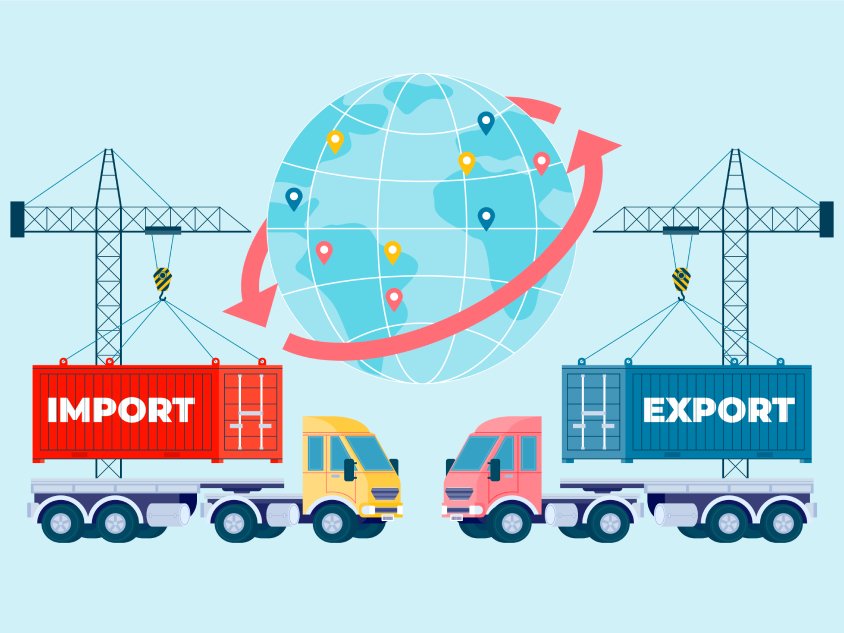
- International business & import-export
For Indian businesses sourcing machinery, electronics, chemicals, textiles, or raw materials, Mandarin eliminates reliance on intermediaries.
Professionals who can negotiate contracts, clarify product specifications, and build supplier relationships in Mandarin often:
- Secure better pricing
- Reduce misunderstandings in documentation
- Build long-term trust (guanxi)
- Avoid costly sourcing errors
Language builds credibility. When you speak a supplier’s language, negotiations shift from transactional to strategic.
- Supply chain and logistics
India’s manufacturing growth and China+1 strategies mean constant coordination with Asian vendors.
Mandarin-speaking supply chain professionals can:
- Communicate directly with factory managers
- Resolve shipping and production delays faster
- Understand technical production terminology
- Improve turnaround times
In logistics, speed and clarity equal profitability — and language reduces friction.
- Diplomatic services
India’s relationship with China is complex but critical. Mandarin proficiency is a powerful asset in:
- Policy research
- Trade negotiations
- Intelligence analysis
- Cultural diplomacy
For aspirants to the Indian Foreign Service or strategic policy roles, Mandarin signals regional expertise and long-term commitment.
- Tourism and hospitality
Pre-pandemic, Chinese outbound tourism was among the largest in the world. As travel rebounds, hotels, luxury brands, and travel companies benefit enormously from Mandarin-speaking staff.
Professionals in hospitality who speak Mandarin can:
- Deliver premium guest experiences
- Increase sales and upselling
- Build loyalty with high-value travelers
Language transforms service into personalisation.
- Translation and interpretation
With growing trade and legal documentation between India and Asia, demand for certified translators continues to rise.
Opportunities include:
- Legal translation
- Business contracts
- Technical manuals
- Conference interpretation
This field offers freelance flexibility and strong earning potential for advanced speakers.
- EdTech and cross-border consulting
As Indian startups expand into Asia and Asian companies enter India, cross-cultural consulting is growing.
Mandarin speakers can:
- Localize content
- Manage partnerships
- Conduct market research
- Support joint ventures
In EdTech specifically, bilingual educators are uniquely positioned to design Asia-focused learning programs.
Looking ahead to 2036, the question is not whether Mandarin will remain relevant. The real question is: Will your career be ready for an Asia-driven future?
For Indian students, entrepreneurs, and working professionals, learning Mandarin today is an investment in tomorrow’s global opportunities.